


Best Specialty Coffee Blends for 2026: Top Picks
Table of Contents
- Quick Comparison: Best Specialty Coffee Blends for 2026
- How We Selected These Specialty Coffee Blends
- 1. 6 Bean Blend: Best Overall Multi-Origin Blend
- 2. Breakfast Blend +: Best Coffee for Busy Mornings
- 3. Cowboy Blend: Best Dark Roast for Bold Flavor
- 4. African Espresso: Best Espresso Blend
- 5. Latin American Blend: Best Light Roast Selection
- 6. House Blend: Best Everyday Medium Roast
- Frequently Asked Questions
Last Updated: September 20, 2026
Quick Comparison: Best Specialty Coffee Blends for 2026
Specialty coffee blends are mixtures of beans from multiple origins, roasted and combined to create a consistent, balanced cup that single-origin coffees often can't match. This guide from Ridgeline Trail & Coffee breaks down the best specialty coffee blends for 2026, based on roast profile, tasting notes, and how each one performs across brewing methods.
If you want the short version, start here:
| Blend | Roast Level | Best For | Price |
|---|---|---|---|
| 6 Bean Blend | Multi-origin blend | Best overall everyday cup | $24.99 |
| Breakfast Blend + | Medium | Busy mornings, extra caffeine | $24.99 |
| Cowboy Blend | Dark & medium | Bold, dessert-like flavor | $24.99 |
| African Espresso | Medium/dark | Espresso and milk drinks | $24.99 |
| Latin American Blend | Medium-dark | Bright, fruity light roast fans | $26.99 |
| House Blend | Medium | Consistent daily drinking | $26.99 |
The specialty coffee market keeps growing because drinkers want more than a generic dark roast. They want tasting notes, traceable origins, and a roast date they can trust. Below, we'll show you exactly how each blend performs, plus how to store beans so they stay fresh.

How We Selected These Specialty Coffee Blends
We judged each blend on four things: roast profile, origin diversity, brewing flexibility, and how consistently it performs across drip, pour-over, and espresso.
A common mistake is picking coffee by packaging alone. What matters more is whether the roast level matches your brewing method. A dark roast built for espresso can taste flat and bitter in a drip machine, while a light roast that shines as pour-over can get lost in milk.
We also weighed origin and processing method. Washed process coffees tend to taste cleaner; natural process coffees bring more fruit and body. For guidance on roasting and processing standards, the Specialty Coffee Association's resources on roast and processing is a solid reference point.
Every pick here is a blend, not a single-origin, because blends give you consistency bag after bag.
1. 6 Bean Blend: Best Overall Multi-Origin Blend
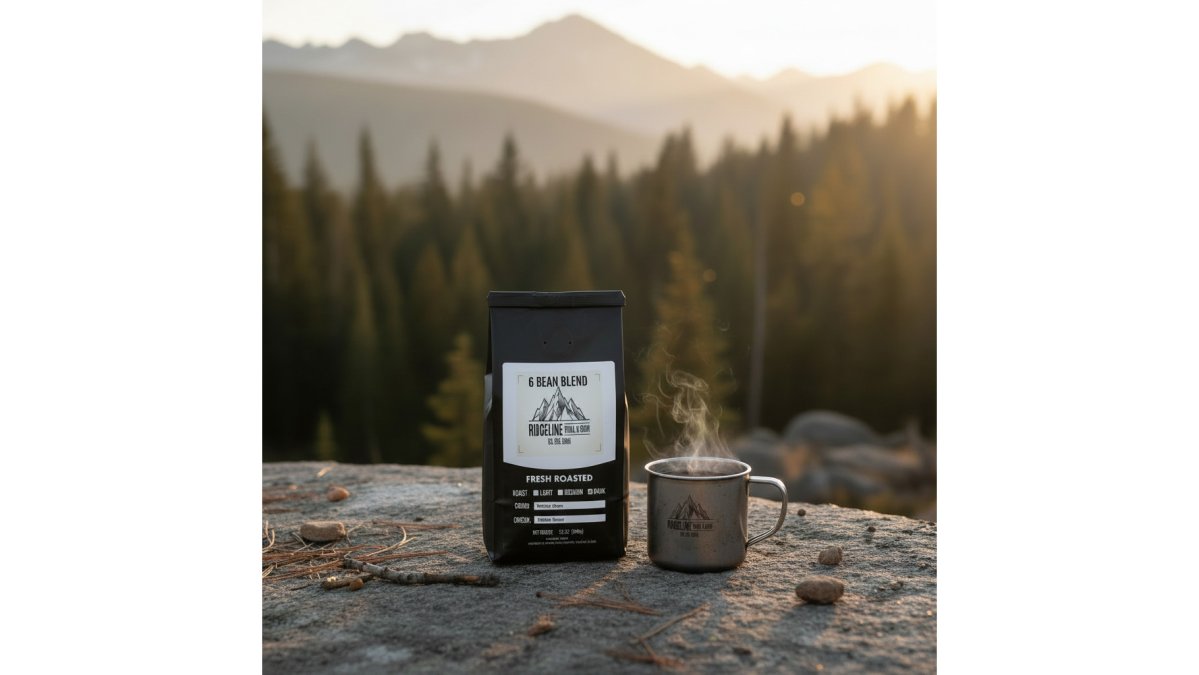
The 6 Bean Blend is our top pick because it pulls from six different origins to build depth without bitterness. It brews clean as drip, holds up as a pour-over, and pulls a solid espresso.
This is the blend for people who don't want to think too hard about their coffee. No tasting note card, no single-farm story, just a smooth finish and enough complexity to keep each cup interesting. That balance is exactly what a good multi-origin blend should deliver.
Pros and Cons
Pros:
- Works across drip, pour-over, and espresso
- Smooth, low-bitterness finish
- Built for daily drinking, not special occasions
Cons:
- No single-origin story if you like traceability
- Not the highest-caffeine option in the lineup
2. Breakfast Blend +: Best Coffee for Busy Mornings
Breakfast Blend + is a medium roast house blend boosted with Robusta for extra caffeine. It's the best coffee for busy mornings when you need a fast, reliable cup before you're fully awake.

The Robusta addition raises the caffeine content without wrecking the smooth medium-roast profile. If your mornings are a race, this is the blend that keeps pace. Brew it as drip, set it and forget it.
Pros and Cons
Pros:
- Higher caffeine than a standard breakfast blend
- Medium roast stays smooth, not harsh
- Fast and forgiving in a drip machine
Cons:
- Robusta adds a slightly earthier edge some drinkers notice
- Less nuanced than the 6 Bean Blend
3. Cowboy Blend: Best Dark Roast for Bold Flavor
Cowboy Blend is the boldest option here, combining dark and medium roasts for cocoa, caramel, and vanilla tones. It's the pick when you want a cup that tastes like dessert.

Dark roast lovers get the low acidity and heavy body they're after, while the medium component keeps it from turning ashy. It's a strong choice for cold mornings and for anyone who drinks coffee with cream.
Pros and Cons
Pros:
- Rich cocoa, caramel, and vanilla notes
- Low acidity, heavy body
- Stands up well to milk and cream
Cons:
- Too bold for drinkers who prefer bright, fruity cups
- Dark roast hides subtle origin flavors
4. African Espresso: Best Espresso Blend
African Espresso blends beans from Kenya, Tanzania, and Ethiopia at a medium-dark roast. It's the best espresso blend here if you want bright, complex shots that still pull thick and syrupy.
East African beans are known for their acidity and fruit-forward character, and this blend channels that into espresso rather than fighting it. Pull it as a straight shot or use it as the base for milk drinks.
Pros and Cons
Pros:
- Bright, complex flavor from three African origins
- Medium-dark roast balances acidity and body
- Works for straight shots and milk drinks
Cons:
- Brightness may surprise drinkers used to dark espresso
- Needs a decent grinder to shine
5. Latin American Blend: Best Light Roast Selection
Latin American Blend is a medium-dark roast of select Latin American coffees with nutty hints, mild fruity tones, and a gentle cocoa aftertaste. It's the closest thing here to a lighter, brighter selection.
Shade-grown in Central American rainforests and volcanic soil near the Amazon, these beans go through environmentally friendly washed processing and full sun drying for up to seven days. That process shows up in the cup: clean, rich, and slightly fruity.
Pros and Cons
Pros:
- Bright, fruity character with a cocoa finish
- Washed process for a clean cup
- Sustainably grown and processed
Cons:
- Pricier than the $24.99 blends
- Fruity notes aren't for everyone
6. House Blend: Best Everyday Medium Roast
House Blend is a medium roast of Central and South American coffees that's smooth, clean, and consistent. It's the best everyday medium roast if you want the same reliable cup every single morning.
Expect a medium body with nutty, sweet chocolate, mild citrus, and a clean bright finish.
Pros and Cons
Pros:
- Consistent, repeatable flavor
- Nutty, chocolate, and citrus notes
- Balanced medium body
Cons:
- Less adventurous than the African Espresso
- At $26.99, it costs more than the entry blends
How to Store Specialty Coffee Beans
Store specialty coffee beans in an airtight, opaque container at room temperature, away from light, heat, and moisture. Skip the fridge and freezer for daily-use bags, since temperature swings and condensation degrade flavor fast.
Subscription vs. One-Time Purchase
A coffee subscription ships beans on a set schedule so you always have a fresh bag, while a one-time purchase lets you buy as needed. Subscriptions suit daily drinkers who go through a bag every week or two. One-time buys suit occasional drinkers or anyone who likes to rotate blends.
Frequently Asked Questions
What defines a specialty coffee blend?
A specialty coffee blend combines two or more specialty-grade arabica beans from different origins to create a balanced, complex flavor profile. Specialty-grade beans score 80 or higher on the cupping scale and are grown, processed, and roasted with traceability. Blends like the 6 Bean Blend pull from six sources to achieve depth and smoothness that single-origin coffees often cannot match on their own.
How do I choose the right specialty coffee roast for my brewing method?
Match the roast to your brewer. Light and medium roasts like Latin American Blend shine in pour-over and drip because their acidity and tasting notes stay intact. Medium-dark and dark roasts like Cowboy Blend or African Espresso work best for espresso and moka pot, where pressure and heat pull out cocoa, caramel, and vanilla tones. For cold brew, a medium roast gives the cleanest extraction.
How long will coffee beans remain fresh after opening?
Whole beans stay at peak flavor for about two to four weeks after the roast date if stored properly. Once the bag is opened, oxygen and moisture start degrading the oils. Keep beans in an airtight, opaque container at room temperature, away from light and heat. Grind right before brewing. For longer storage, freeze in a sealed bag and use within two months.
Is it okay to store coffee beans in a Ziploc bag?
A Ziploc bag is better than nothing but not ideal. The plastic is permeable to oxygen over time, and the clear material lets light through, which speeds up staling. If you must use one, press out all the air and keep it in a dark cabinet. An opaque, airtight canister with a one-way valve preserves specialty coffee blends far longer and keeps the roast profile intact.
Does the origin of the beans affect the flavor profile of a blend?
Yes. Origin, terroir, altitude, and processing method all shape what each bean contributes. African beans from Kenya, Tanzania, and Ethiopia bring bright acidity and fruity notes, as seen in African Espresso. Latin American beans from Central and South America add nutty, chocolate, and citrus tones, which is why House Blend and Latin American Blend lean smooth and clean. A skilled blend uses these differences deliberately.
Finding a specialty coffee blend that fits your routine comes down to matching roast level and caffeine needs to how you actually brew. Ridgeline Trail & Coffee makes that easy with blends built for every method, from the multi-origin 6 Bean Blend to the bold Cowboy Blend and the higher-caffeine Breakfast Blend +. Each one ships fresh and is designed for daily drinking, not just special occasions. Browse the coffee collection and find your next go-to bag.