


Best Coffee for Busy Mornings: Fast Brews That Work
Table of Contents
- Why Your Morning Coffee Choice Matters More Than You Think
- Quick Comparison: Top Coffee Picks for Busy Mornings
- 1. Breakfast Blend +: The Balanced Morning Starter
- 2. Max Caf Blend: Maximum Caffeine for Slow Starters
- 3. Single Serve Coffee Capsules: Zero-Cleanup Convenience
- 4. Instant Coffee: The Fast Brewing Coffee Method Champion
- 5. Cold Brew Coffee: Make It Tonight, Grab It and Go
- Coffee Brewing Tips for Busy Schedules: Roast, Grind, and Timing
- Frequently Asked Questions
Last Updated: September 5, 2026
Why Your Morning Coffee Choice Matters More Than You Think
The best coffee for busy mornings is the one that gets out of your way. Between the alarm, the shower, and getting out the door, you don't have time for a 15-minute pour-over ritual. The wrong coffee choice adds friction to an already tight window, and that friction often means skipping the cup entirely or settling for something stale from a gas station.
Coffee for busy mornings isn't just about caffeine content. It's about total time from craving to first sip, cleanup required, and whether the flavor justifies the effort. Many people default to whatever is cheapest at the grocery store, then wonder why their morning cup tastes bitter and leaves them feeling sluggish. At Ridgeline Company, we've built our coffee lineup around the reality that most mornings need speed without sacrificing quality.
The real question is which format fits your specific morning routine. A single-serve capsule machine works for one person, while someone else needs a batch of cold brew waiting in the fridge. Below, we'll break down five coffee options for busy mornings, with honest pros and cons for each, plus brewing tips that actually save you time.
Quick Comparison: Top Coffee Picks for Busy Mornings
Here's a fast look at the main coffee for busy mornings options we'll cover, so you can jump to the format that fits your routine.
| Coffee Option | Brew Time | Cleanup | Best For | Price |
|---|---|---|---|---|
| Breakfast Blend + | 3-4 min | Moderate | Balanced flavor with extra kick | $24.99 |
| Max Caf Blend | 3-4 min | Moderate | Maximum caffeine needs | $24.99 |
| Single Serve Capsules | 1 min | Minimal | Zero-cleanup convenience | $21.99+ |
| Instant Coffee | 30 seconds | None | Fastest possible cup | $24.99 |
| Cold Brew | 12-18 hrs prep | Minimal | Grab-and-go mornings | $24.99+ |
Each option trades off brew time, flavor complexity, and cleanup effort. The right pick depends on whether you value speed above all else or want the richest taste your schedule allows.

1. Breakfast Blend +: The Balanced Morning Starter
The Breakfast Blend + from Ridgeline Company is a medium roast that adds Robusta beans for extra caffeine without tipping into harsh bitterness. It's the coffee for busy mornings when you want a smooth, approachable cup that still delivers a reliable energy boost.
What makes this blend work is the balance. A medium roast keeps the acidity gentle and the body smooth, while the Robusta addition pushes caffeine content noticeably higher than a standard breakfast blend. The flavor stays clean enough to drink black, but it also holds up well with milk or a splash of cream.
What works: The medium roast profile is forgiving across brewing methods. Whether you use a drip machine, a French press, or a simple pour-over cone, you'll get a consistent cup without dialing in precise grind settings.
What doesn't: At $24.99 for a bag, it costs more than commodity grocery coffee. If you're purely optimizing for price per pound, you can find cheaper options, though the flavor and caffeine difference is noticeable.
2. Max Caf Blend: Maximum Caffeine for Slow Starters
Some mornings require more than a gentle nudge. The Max Caf Blend combines Tanzanian and Indian Robusta beans to create one of the highest caffeine content options in the Ridgeline coffee lineup. This is the coffee for busy mornings when you slept poorly, have a long commute, or face a demanding schedule ahead.

Robusta beans naturally contain roughly double the caffeine of Arabica beans. By blending two robusta sources, this coffee delivers a serious energy boost in a single cup. The tradeoff is flavor: Robusta tends toward a stronger, earthier profile with more bitterness than Arabica-forward blends.
What works: The caffeine delivery is unmistakable. If you're someone who needs two cups of standard coffee to get moving, one cup of Max Caf Blend may replace both, saving you time and brew cycles.
What doesn't: The flavor profile is assertive and not for everyone. Drinkers who prefer bright, fruity, or floral notes from single-origin Arabica beans will find this blend heavy. It's a functional choice, not a contemplative one.
3. Single Serve Coffee Capsules: Zero-Cleanup Convenience
Single serve coffee capsules solve the two biggest time drains in morning coffee: measuring grounds and cleaning up afterward. The Ridgeline Company 12 Pack Single Serve Coffee Capsules and 60 Pack options deliver a consistent cup with no guesswork and no mess.

Each capsule is sealed with no oxygen inside, which keeps the coffee fresh far longer than an opened bag of beans. The improved filter design prevents coffee from shooting straight through the middle, allowing more grounds to be extracted for a fuller flavor without slowing down the brew time. A single capsule brews in about a minute, and cleanup means tossing the pod in the trash.
What works: The convenience is unmatched for mornings when every minute counts. There's no grind size to manage, no ratio to measure, and no filter to rinse. The 60 Pack option at $79.99 brings the per-cup cost down for daily drinkers.
What doesn't: Capsule coffee costs more per cup than brewing whole beans. You're paying for the convenience and the freshness seal. Also, if you don't own a compatible single-serve machine, you'll need to factor in that upfront investment.
4. Instant Coffee: The Fast Brewing Coffee Method Champion
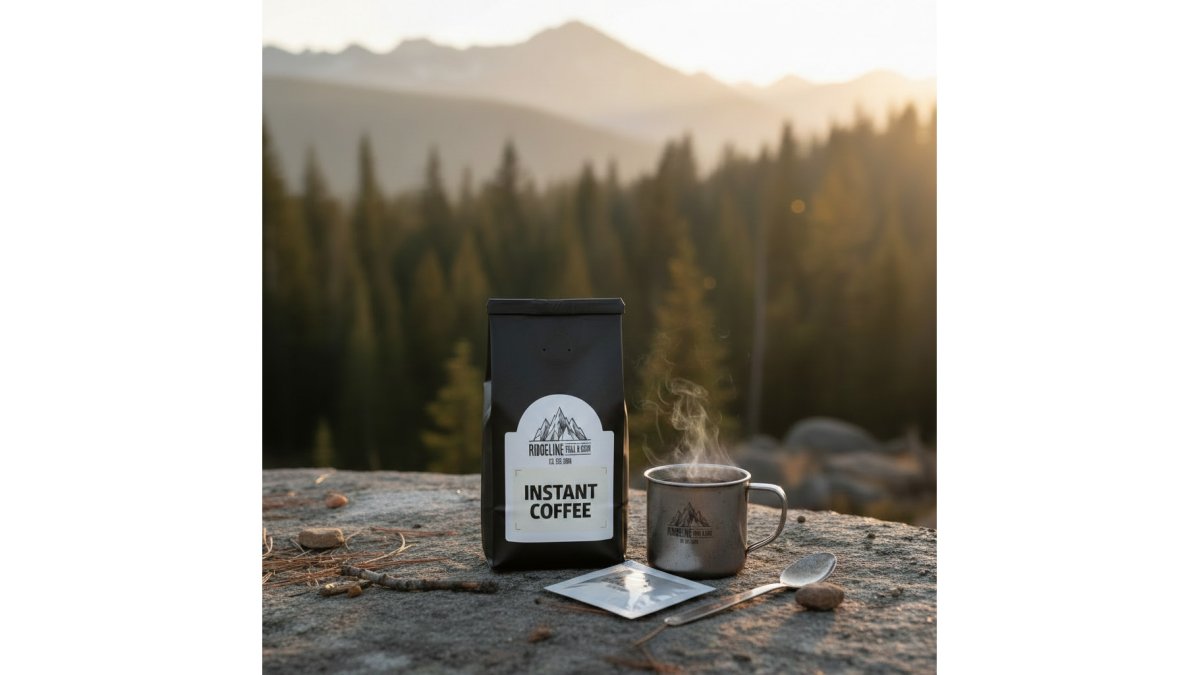
For pure speed, nothing beats instant coffee for busy mornings. The Ridgeline Company Instant Coffee comes in a resealable pouch with 30 servings at $24.99, and brewing takes about 30 seconds. Boil water, stir, drink. No machine, no filter, no cleanup.
Modern instant coffee has come a long way from the watery, flavorless crystals of past decades. Quality instant coffee uses the same beans as regular coffee, brewed and then dehydrated to preserve flavor. The result is a respectable cup that trades some aromatic complexity for unmatched convenience.
What works: Instant coffee is the ultimate fast brewing coffee method. It's also ideal for travel, camping, or any situation where you don't have access to brewing equipment. The resealable pouch means you can keep it in a desk drawer or car without worrying about staleness.
What doesn't: Even high-quality instant coffee loses some of the volatile aromatic compounds that make fresh-brewed coffee special. If you're accustomed to specialty-grade single-origin beans, the flavor difference will be apparent.
5. Cold Brew Coffee: Make It Tonight, Grab It and Go
Cold brew coffee flips the morning time crunch on its head. Instead of brewing when you're rushed, you brew the night before and wake up to coffee that's ready to pour. The Ridgeline Company Cold Brew Coffee blend at $24.99 is specifically formulated for this method, with a dark French roast and coarse grind that extracts smoothly over 12 to 18 hours.
The resulting concentrate is naturally less acidic and smoother than hot-brewed coffee, making it easy on the stomach for those who find regular coffee too harsh. You can drink it cold over ice, or dilute it with hot water for a quick warm cup.
What works: Cold brew is the ultimate coffee for busy mornings if you can remember to start it the night before. A large batch lasts several days in the refrigerator, giving you multiple grab-and-go mornings from a single prep session.
What doesn't: The 12 to 18 hour steep time requires advance planning. If you forget to start a batch, you're out of luck for that morning. The coarse grounds also need a proper filter setup, whether a dedicated cold brew maker or a large French press.
Coffee Brewing Tips for Busy Schedules: Roast, Grind, and Timing
Even with the right coffee product, small adjustments in your brewing routine can save minutes and improve flavor. These coffee brewing tips for busy schedules focus on practical efficiency rather than barista-level precision.
Roast selection matters for caffeine perception. Dark roasts often taste stronger, but they actually contain slightly less caffeine than lighter roasts by volume because the roasting process reduces bean density. If you want maximum caffeine, choose a blend specifically designed for that purpose, like Max Caf Blend, rather than assuming dark equals strong.
Grind size affects brew time. A finer grind extracts faster but can over-extract and turn bitter if you brew too long. A coarser grind takes longer but produces a smoother cup. For busy mornings, match your grind to your method: fine for capsules and espresso, medium for drip, coarse for cold brew and French press.
Timing your caffeine intake matters. Many people drink coffee immediately upon waking, but cortisol levels naturally peak in the first hour after you wake up. Waiting 45 to 60 minutes before your first cup can make the caffeine feel more effective National Institutes of Health research on caffeine timing. This aligns with the natural dip in cortisol that occurs about an hour after waking, when caffeine provides a more noticeable boost.
Water temperature is a common mistake. Water that's too hot scalds the grounds and produces bitter flavors. The ideal brewing temperature is between 195 and 205 degrees Fahrenheit. If you're using a standard electric kettle without temperature control, let it sit for 30 seconds after boiling before pouring.
Batch brewing saves multiple mornings. If you drink coffee daily, consider making a larger batch of cold brew or brewing a full pot and refrigerating the extra. Reheating coffee doesn't taste identical to fresh, but it's far better than skipping your cup entirely.
The coffee industry has seen growing interest in how brewing methods affect both flavor and health outcomes. Research on coffee consumption suggests that moderate intake is associated with various health benefits, including antioxidant content that supports overall wellness USDA Agricultural Research Service coffee composition data. The key is choosing a format you'll actually use consistently.
For cold brew specifically, the extended steeping process at room temperature or in the refrigerator extracts different compounds than hot brewing, resulting in lower acidity and a naturally sweeter flavor profile. This makes it an excellent choice for anyone with a sensitive stomach who still wants their morning caffeine.
Choosing the right coffee for busy mornings comes down to honestly assessing your routine. If you have one minute and want zero cleanup, single-serve capsules or instant coffee are your best bets. If you can plan ahead the night before, cold brew delivers superior flavor with minimal morning effort. And if you need maximum caffeine to get moving, the Max Caf Blend delivers it without requiring a second cup.
Ridgeline Company built its coffee lineup to cover all these scenarios. The Breakfast Blend + offers balanced daily drinking, the single-serve capsules provide unmatched convenience, and the cold brew blend is formulated specifically for smooth, low-acid results. Each option is priced at $24.99 or less per unit, with the 60 Pack capsules bringing your per-cup cost down for daily use. Start with the option that matches your biggest morning bottleneck, and adjust from there.
Frequently Asked Questions
What type of coffee is best for waking up quickly?
For a quick wake-up, choose a high-caffeine blend like Max Caf Blend, which combines Tanzania and India Robusta beans for a strong kick. Alternatively, a medium roast like Breakfast Blend + provides steady energy without the jitters. If speed is your priority, instant coffee or single-serve capsules brew in under a minute, making them the fastest route to your morning caffeine fix.
Does roast level affect caffeine content for morning energy?
Contrary to popular belief, light roasts retain slightly more caffeine by weight than dark roasts because the roasting process burns off some caffeine. However, the difference is minimal. What matters more for morning energy is the bean type. Robusta beans, found in blends like Max Caf, contain about double the caffeine of arabica beans, giving you a more noticeable boost regardless of roast level.
What is the best fast brewing coffee method for busy schedules?
Instant coffee is the undisputed champion of fast brewing methods, taking about 30 seconds from scoop to cup. Single-serve capsule machines come in a close second at under a minute with no cleanup. For a slightly better flavor profile that still fits a busy schedule, prepare cold brew concentrate the night before; it takes 5 minutes of active prep and is ready to pour over ice or milk in the morning.
Is cold brew or hot coffee better for a busy morning routine?
Cold brew wins for busy mornings because you prepare it in advance. Mix coarse-ground coffee with cold water the night before, let it steep for 12 to 18 hours, and strain it. Your concentrate is ready for up to two weeks in the fridge. Hot coffee methods like pour-over or French press require active attention each morning, which adds precious minutes to your routine.
How can I make my morning coffee routine faster without sacrificing quality?
Start with whole beans and grind them the night before to save time. Use a single-serve capsule system or instant coffee to eliminate cleanup. Measure your coffee and water ratios in advance. If you drink cold brew, make a large batch on Sunday for the whole week. These small preparations cut your active morning coffee time down to under two minutes.