


Why Single Serve Coffee Tastes Better: A Practical Guide
Table of Contents
- Why Single Serve Coffee Tastes Better Than a Full Pot
- How to Make Single Serve Coffee Taste Better
- Best Coffee for Single-Serve Brewers
- Single-Serve Coffee vs. Drip Coffee: A Controlled Comparison
- Why Does Keurig Coffee Taste Bad? Common Causes
- Pod Freshness, Packaging, and Storage
- Troubleshooting by Flavor: Sour, Bitter, or Weak
- Conclusion
- Frequently Asked Questions
Last Updated: October 18, 2026
Why Single Serve Coffee Tastes Better Than a Full Pot
Single serve coffee often tastes better because each cup is brewed fresh from a sealed pod, so the grounds never sit in a warm pot losing aroma and picking up a stale, flat edge.

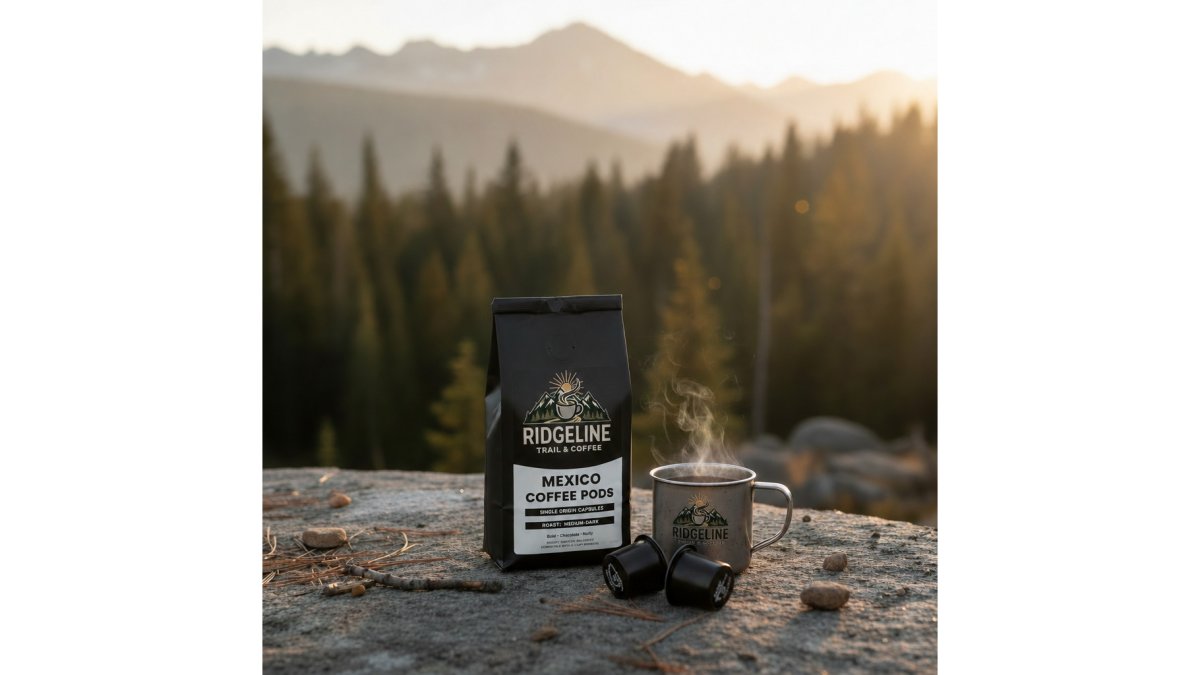
That gap comes down to contact with air and heat. A full pot starts oxidizing the moment brewing stops. The clock starts ticking on flavor right away.

Below, we'll show you exactly how to make single serve coffee taste better, from pod storage to water temperature. We'll also explain why some pods still taste bad, and how to fix that.
How to Make Single Serve Coffee Taste Better
Better single serve coffee comes from controlling four things: freshness, grind consistency, water temperature, and the coffee-to-water ratio. Get those right and a pod brewer can pull a cup that holds its own against a drip machine.
Start with the basics. Then adjust one variable at a time.
Start With Freshness and Grind Size
Freshness matters more than most people think. Coffee stales fast once roasted beans meet air. Pre-ground coffee stales even faster because more surface is exposed.
That is why pod packaging matters. Our 12 Pack Single Serve Coffee Capsules are sealed without oxygen, which slows the staling process between roast and brew.
Grind size is the second lever. Single serve pods use a fine, even grind so water passes through at a steady rate. If the grind is uneven, water finds the easy path and leaves the rest of the coffee under-extracted.
A few habits that help:
- Store pods in a cool, dark cabinet, not above the machine
- Check the roast date or best-by date before buying in bulk
- Never open a pod early "to let it breathe"
- Keep the water reservoir clean and filled with fresh water
Dial In Water Temperature and Ratio
Water temperature drives extraction. Most guidance points to 195-205°F as the target range for brewing, and pod machines usually land inside it.
Run a plain water cycle first if your machine has been off for hours. That warms the lines and the brew head.
The coffee-to-water ratio matters just as much. A pod holds a fixed dose of coffee, so your only control is cup size.
Brew strength is really a ratio question. If your coffee tastes weak, drop to a smaller cup size before you blame the pod.
Best Coffee for Single-Serve Brewers
The best coffee for single serve brewers is a freshly roasted, consistently ground coffee sealed in an oxygen-free pod, matched to the cup size you actually drink. Origin and roast level come second.
Here is how our pods break down by taste:
| Pod | Tasting Notes | Best For | Price |
|---|---|---|---|
| Original Roast (12 or 60 pack) | Rich, balanced gourmet blend | Everyday cups, milk drinks | $21.99 / $79.99 |
| Mexico Coffee Pods | Lemon, brown sugar, dark chocolate | Black coffee, morning cup | $24.99 |
| Peru Coffee Pods | Salted caramel, citrus, silky body | Medium-roast drinkers | $24.99 |
The Mexico Coffee Pods come from the Chiapas highlands and bring a creamy body with medium acidity. The Peru Coffee Pods run sweeter, with salted caramel and a clean citrus finish.

If you drink two or three cups a day, the 60 pack makes more sense than buying 12 at a time. Fewer reorders, and less chance of running out and reaching for old pods.
Single-Serve Coffee vs. Drip Coffee: A Controlled Comparison
Single serve coffee wins on freshness per cup and consistency. Drip coffee wins on cost per cup and volume for a crowd. The taste difference shows up mainly in the second and third cups, not the first.
To compare fairly, hold the variables steady: same coffee, same water, same cup size. Then the only difference left is how long the brewed coffee sits. That is the controlled comparison most taste tests skip, and it is where the real answer lives.
The Four Variables That Decide the Cup
Dose. A pod delivers a fixed, weighed dose every time.
Brew temperature. The Specialty Coffee Association's brewing guidance puts the target water temperature at 195-205°F at the point of contact with the grounds.
Holding time. This is the big one. A drip carafe sits on a warming plate, and heat plus oxygen keeps oxidizing the coffee.
12 Pack Single Serve Coffee Capsules →
Oxygen exposure. Ground coffee stales fast because the surface area is large. A sealed pod limits oxygen contact until the moment of brewing.
What a Fair Side-by-Side Actually Shows
If you brew the same coffee, at the same strength, in the same cup size, the first cup from each method is close. The single-serve advantage appears in cup two and cup three, where the drip pot has been sitting and the pod has not.
| Factor | Single Serve | Drip / Full Pot |
|---|---|---|
| Freshness per cup | Brewed to order, zero holding time | Declines within 20-30 minutes on a burner |
| Consistency | Fixed pod dose | Varies by scoop and grind |
| Brew temperature | Heats on demand, reaches range fast | First cup may brew cooler after a cold start |
| Cost per cup | Higher | Lower |
| Best for | One or two drinkers | Groups, offices |
| Cleanup | Minimal | Carafe and filter basket |
The honest limitation: pods cost more per cup than bagged coffee. If you drink a full pot every morning, drip is cheaper. If you drink one or two cups and the rest of the pot goes down the drain, single serve usually wastes less, and the cups you do drink taste fresher.
Why Does Keurig Coffee Taste Bad? Common Causes
Keurig coffee tastes bad for a few predictable reasons: a dirty brew head, old pods, the wrong cup size, or water that has sat in the reservoir too long. None of these are the machine's fault by default.
Work through the list before you replace anything:
- Old pods. Check the date. Stale coffee tastes papery and flat.
- A dirty needle or brew head. Coffee oils build up and turn rancid.
- Too large a cup size. The same pod stretched over 12 oz tastes thin.
- Stale water. Refill the reservoir with fresh water each day.
- No pre-warm cycle. The first cup after a cold start brews cooler.
Machine maintenance is the one most people skip. A monthly rinse cycle and a wipe of the brew head solve a surprising share of "bad taste" complaints.
Pod Freshness, Packaging, and Storage
Pod freshness depends on the seal, the storage spot, and how long the box stays open. Oxygen-free packaging does most of the work. Your cabinet does the rest.
Store pods away from heat and light. Skip the shelf above the stove and the sunny windowsill. Keep the box closed, and use older pods first.
Buying in bulk only helps if you will drink through the box in a reasonable window. A 60 pack makes sense for daily drinkers. For occasional cups, the 12 pack keeps turnover higher and flavor fresher.
Troubleshooting by Flavor: Sour, Bitter, or Weak
Flavor tells you what went wrong. Sour coffee points to under-extraction. Bitter coffee points to over-extraction. Weak coffee points to too much water for the dose. Stale or papery notes point to oxygen, not extraction. The trick is reading the cup before you change anything.
Read the Cup First
Sour tastes sharp, acidic, and thin, like the coffee is unfinished. Under-extraction means water moved through the grounds too fast or too cool to pull the sugars and oils.
Bitter tastes harsh, dry, and ashy, and it lingers. Over-extraction means water stayed in contact too long or the brew head is dirty.
Weak tastes watery and hollow but not necessarily sour or bitter. The dose is fine; the water is not.
Stale or papery tastes flat, cardboard-like, and dull. That is oxidation, not extraction. No cup-size change fixes it; only fresher pods do.
The Diagnosis Table
| Taste | Likely Cause | First Fix | Second Fix |
|---|---|---|---|
| Sour | Under-extraction, cool water | Run a plain water pre-warm cycle | Drop to a smaller cup size |
| Bitter | Over-extraction, dirty machine | Clean the brew head and needle | Check pod freshness and storage |
| Weak | Too much water per pod | Drop to a smaller cup size | Use a stronger roast or a "strong" setting |
| Stale / papery | Old or badly stored pods | Rotate stock, use older pods first | Reseal the box and move it out of heat and light |
Change One Variable at a Time
Start with one change, taste, then adjust again. Chasing two variables at once makes it impossible to know what worked. A practical order:
- Pre-warm the machine with a plain water cycle.
- Brew at the smallest cup size and taste.
- Step up one cup size and taste again.
- If bitterness appears, clean the brew head before changing anything else.
- If staleness appears, replace the pod batch before touching settings.
For anyone who wants a fuller cup without a longer brew, our capsules use an improved filter that keeps water from rushing through the middle. That means more even extraction from the same pod, which shows up as less sourness at small cup sizes and less bitterness at large ones.
Conclusion
Getting a great cup from a pod brewer is not luck. It comes down to fresh pods, clean water, the right cup size, and a machine that has warmed up.
If your current pods taste flat, the fix may be as simple as a fresher box and a smaller cup setting. Browse our coffee collection to find the roast that fits your morning, from the everyday Original Roast to the single-origin Mexico and Peru pods.
Frequently Asked Questions
Why does single-serve coffee taste better than coffee from a full pot?
A single-serve brewer makes one cup at a time, so the coffee is brewed fresh and never sits on a hot plate where it can turn stale and bitter. The pod is also sealed without oxygen, which protects the grounds from the air and moisture that degrade flavor. When you brew a full pot, the coffee that waits in the carafe keeps oxidizing and losing aroma. Single-serve coffee avoids that waiting period, so the cup in your hand is closer to the moment of extraction.
How can I make single-serve coffee taste better?
Start with fresh, well-sealed pods and store them away from heat and light. Run a plain water cycle before brewing to heat the machine and rinse the lines. Use filtered water instead of tap, and keep the water reservoir topped up so the brewer pulls a full, consistent volume. Match your cup size to the pod's intended yield, since a larger setting pushes more water through the same grounds and weakens the cup. Descale on the schedule your manual recommends, because mineral buildup changes both temperature and flow.
What is the best coffee for single-serve brewers?
Look for pods that are sealed without oxygen and use a filter that spreads water evenly through the grounds. A medium roast with a creamy body and clear tasting notes, such as lemon, brown sugar, and dark chocolate, holds up well in a single-serve brewer because it balances acidity and sweetness. Single-origin pods give you a consistent flavor profile you can adjust against. Avoid pods that have been stored in warm or humid conditions, since the grounds lose aroma long before the printed date.
Why does my Keurig coffee taste bad?
The most common causes are mineral buildup in the machine, stale or improperly stored pods, and brewing a cup size that is too large for the amount of coffee in the pod. A machine that has not been descaled can run cool and slow, which leaves the coffee under-extracted and sour. Old pods or ones stored near a heat source taste flat. Try a water-only cycle, then descale, then brew a smaller cup. If the flavor improves, the machine and the ratio were the problem, not the coffee.